A medieval village with a Romanesque jewel inside its walls
Castello di Querceto e Pieve di San Giovanni Battista
A medieval village with a Romanesque jewel inside its walls
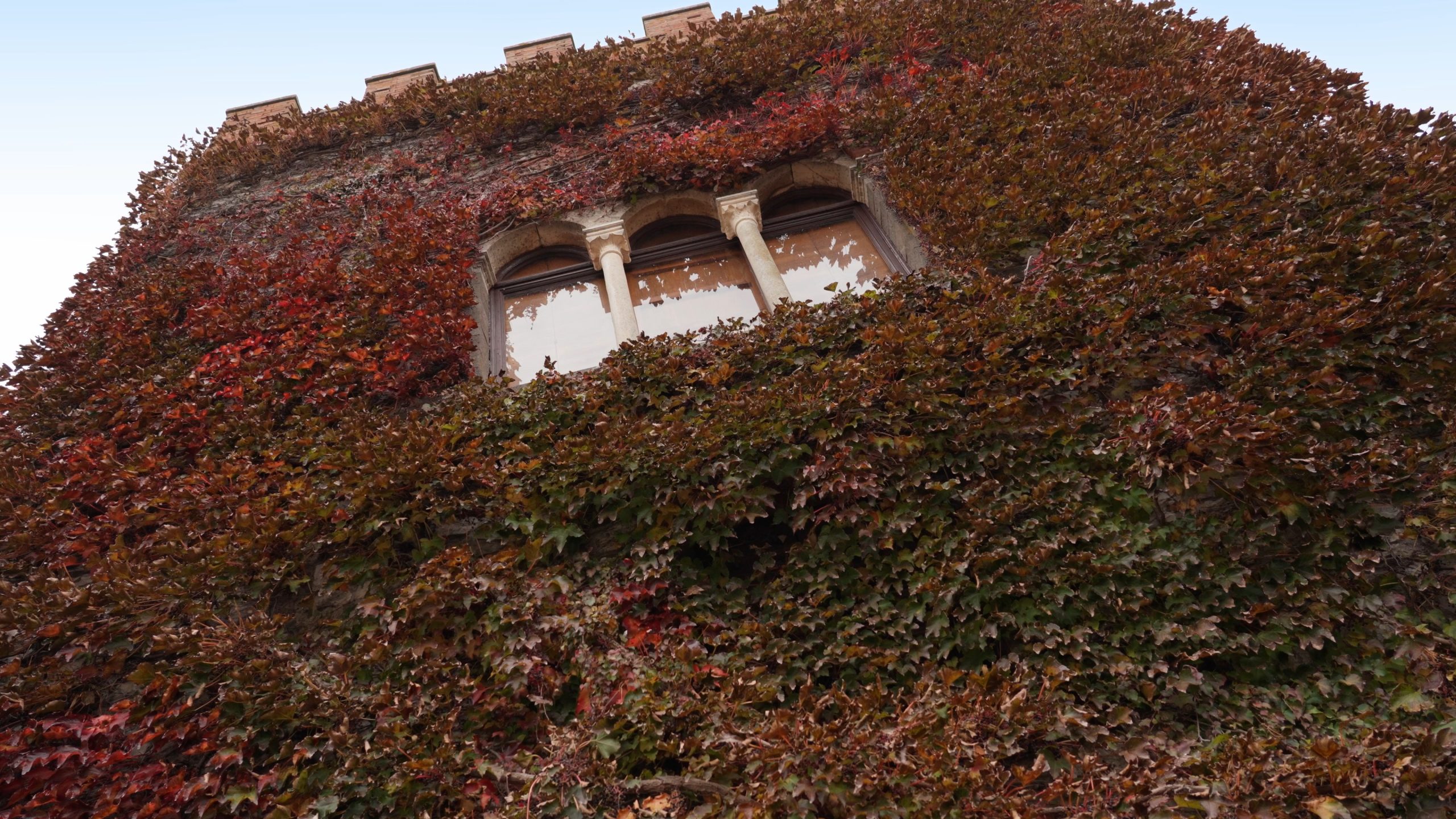
Querceto Castle is one of the best-preserved medieval villages in Montecatini Val di Cecina, standing on a rocky spur of Colle Montaneo and documented since the eleventh century as belonging to the Diocese of Massa Marittima. The earliest records date to the late twelfth century, when it was held by the nobles of Querceto, later ceded to the Bishops of Volterra through the diplomas of Henry VI in 1186 and Frederick II in 1224, and finally placed under the free control of the Municipality of Volterra on 20 August 1252. Its importance was both military and economic: it could provide up to 600 armed men to the Municipality of Volterra, while the subsoil contained copper, silver, mercury and the so-called moie, saline water springs.
The village suffered dramatic events in the fifteenth century, including the sack of 1431 by the troops of the Duke of Milan and the near-total destruction of 1447 by Alfonso of Aragon’s forces, who razed all the houses and spared only the castle. In 1543 the Lisci family settled in Querceto and remained owners until 1814, when the village passed by inheritance to Carlo Leopoldo Ginori. The castle visible today was built in the early twentieth century at the initiative of Count Lorenzo Ginori, who in 1907 decided to rebuild a family residence on the site of the former medieval noble house.
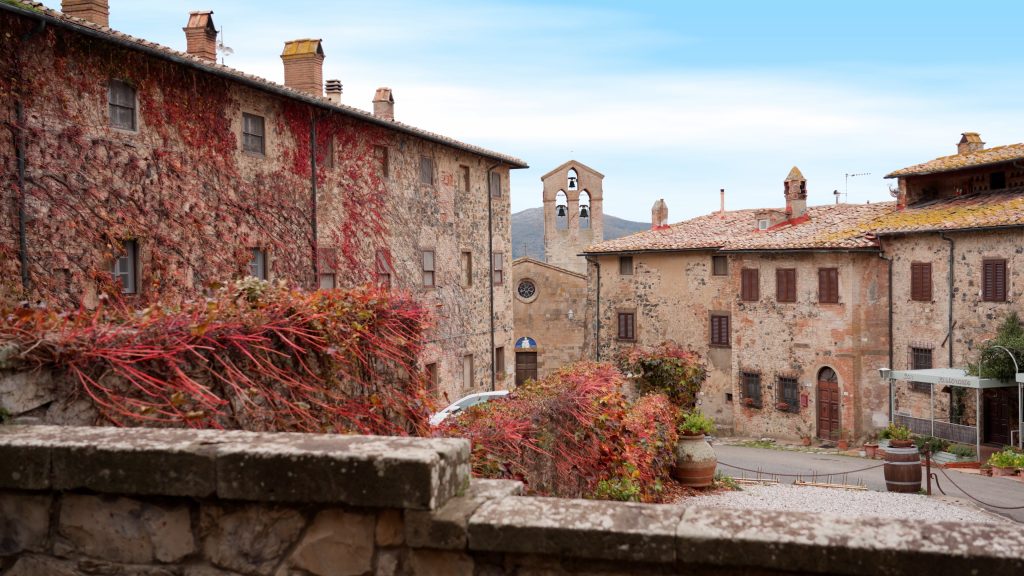
Inside the village stands the Pieve of San Giovanni Battista, built in the thirteenth century within the castle walls in place of an older church in the open countryside. First documented in 1231, the pieve is a gabled building made of regular courses of small sandstone blocks, with a simple portal topped by a Ginori manufactory maiolica from the early twentieth century. The single-nave interior, originally ending in a semicircular apse now replaced by a square choir, includes a transept whose capitals show remarkable decorative variety, with large aquatic leaves and tendrils, while the right-hand semi-column capital bears the symbols of the evangelists Mark, Matthew and John.
